How to keep Czech labour legislation from slowing you down in 2026

Over the past few months, we have discussed labour law several times at our expert HR breakfast events for clients in the Czech Republic. And while the legislation keeps changing, the questions often remain the same. That is why we have prepared a brief overview for you as well.
A new employee registration requirement – before they start work
As of 1 July 2026, an important change to employment rules came into effect in the Czech Republic: every new employee must be registered no later than before they start performing work.
If you fail to do so, the authorities no longer treat it as a simple administrative oversight. An unregistered employee is automatically considered to be performing illegal work.
“The onboarding process starts before an employee arrives for their first day at work. Clearly defined steps – including timely registration with the Czech Social Security Administration – will help ensure that nothing is overlooked and unnecessary risks are avoided,” advises Dominika Kopčáková, Delivery Director CZ, SYNERGIE.
How can you address this? You can define your processes precisely and in detail. You can also fully digitalise and automate onboarding. Or you can make things even easier by delegating your HR administration to us.
2026 has already brought numerous legislative changes, with more to come
You have probably noticed the new obligations that have applied in the Czech Republic since January 2026. The most important include:
- Mandatory pension contributions: Employers are now required to contribute 4% of the assessment base towards supplementary pension savings for employees performing hazardous work classified in category 3 for selected working-condition factors, provided they work at least three shifts.
- Stricter medical examinations for foreign workers: When recruiting people from high-risk countries, a tuberculosis examination, including a chest X-ray, is now required regardless of their job classification.
Some changes are still coming into effect. However, it is worth preparing and implementing the necessary measures now to make the transition smoother and less disruptive:
- Preparing for pay transparency: The European directive that will prohibit employers from asking candidates about their salary history and introduce pay-gap reporting requirements from 2027 will soon come into effect.
- The Unified Monthly Employer Report (JMHZ) has applied in the Czech Republic since 1 April 2026. Although the legislation became effective on 1 January 2026, the system went fully live and the first reports became due as of 1 April 2026.
TIP: Read our article How to Set Up Employment Processes So Your Company Can Grow Without Unnecessary Complications.
Beware of disguised agency employment
Companies often deal with temporary operational staffing shortages by purchasing services from external suppliers under contracts for work. However, if these workers perform routine tasks alongside your permanent employees, follow instructions from your managers and work according to your shift schedules, this is not considered a standard purchase of services. Under Czech law, it may constitute disguised agency employment.
In 2026, Czech authorities are focusing intensively on these practices as part of Project KOBRA26. This involves coordinated inspections by the labour inspectorate, tax authorities, police and the Czech Social Security Administration (ČSSZ), which share data in real time and focus on attempts to circumvent employment rules.
How can you address this? If you need flexible staffing support in production or logistics, temporary assignment of agency employees is the safest solution. It provides the flexibility you need while giving you confidence that you are operating in compliance with Czech legislation.
So you can focus on what matters
Key people in your company should be developing the business and taking care of customers rather than spending their days buried in administration. One of our goals is to be your business partner and enable you to pursue even your bravest plans:
- We take care of the administrative and legal responsibilities: If you use our temporary agency employment services, we handle the entire agenda.
- We understand operations, not just legislation: Our consultants know the realities of your industry. We will propose a staffing model that makes sense from both an operational and economic perspective.
- We keep up with legislation: We monitor all relevant changes for you.
Interesting articles

Expert HR breakfast in Brno
What is the actual situation of the labour market like?

Synergie among the largest employment agencies in Slovakia

Labour inspections are becoming stricter
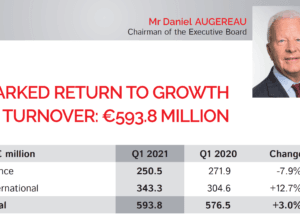
Marked Return to Growth Q1 Turnover: €593.8 million
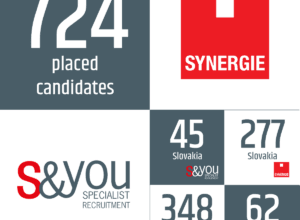
2020: 724 placed candidates in Czecho-Slovakia
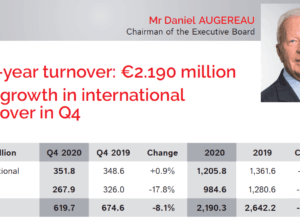
SYNERGIE GROUP REACHES 2,2 billion EUR in turnover for 2020