David vs. Goliath in the job market: In what ways does a smaller company outperform a corporation?

“A family business can’t offer what a multinational corporation can.” This is one of the most common myths holding back the owners of smaller companies.
Yet these businesses hold aces that corporations can only dream of. We spoke about how to turn them into a talent magnet with Martin Huba, Managing Director at SYNERGIE.
Martin, you meet the owners of family businesses every day. What is their biggest concern when it comes to recruitment?
Smaller companies often underestimate themselves. They feel that if they don’t pay above-standard corporate salaries or offer expensive benefits, they have no chance of attracting top experts. But that’s a misconception. People leave corporations because of poor management, bureaucracy, or unclear direction.
If a family business understands its DNA and begins to communicate it properly (for example, telling its story already during the interview), it can be far more attractive to a certain type of talent than an impersonal giant.
Still, family businesses carry a certain stigma in the job market. What holds them back the most?
Candidates worry about decision-making behind closed doors, unclear division of responsibilities where everyone does everything, or emotional behavior where a Sunday family lunch shows up in Monday’s meeting. Another concern is the low level of HR professionalization – recruiting “through connections” or weak onboarding where a newcomer is simply thrown into the deep end.
How to break this cycle? Should a family business start behaving like a corporation?
It can draw inspiration from processes. Corporations win through transparency and clearly defined roles. A family business therefore needs to introduce professional standards – clear competencies, understandable decision-making, and data-driven HR. But it must not lose its soul in the process. Because precisely where corporations hit their limits, family businesses begin to win.
In what ways can a smaller company outperform a corporation?
While in a corporation you’re often just a number in a system and you wait months for a project approval, a family business can offer a human approach and adaptability to change.
Authenticity is the foundation of a successful strategy. In a smaller company, you see the real impact of your work, you produce results, and you can grow quickly. Recognition comes directly from the leadership, often from the owner. For many people, the possibility to influence the company’s direction is also a strong attraction.
You mentioned speed. How does it show in recruitment?
We advise clients to send a job offer within 48 hours after the interview. In a corporation, the process takes weeks, with candidates often being approved by headquarters abroad. A family business can afford a flexible and fast recruitment process – without unnecessary bureaucracy. That is a strong competitive advantage. Speed shows interest and respect for the candidate’s time.
Attracting someone is one thing; keeping them is another. What can a company do to prevent a valuable employee from leaving for a corporation?
A Christmas party once a year isn’t enough. This checklist can help:
- Have regular one-on-one meetings with employees.
- Involve employees in decision-making.
- Build long-term relationships.
- Don’t wait for annual bonuses. Reward achievements immediately.
- Offer flexible working hours.
What would you say to owners who hesitate to invest in HR professionalization?
That there’s no time to waste. The job market is changing. People are looking for work that makes sense to them and an environment where they feel good. Family businesses have the potential to offer exactly that. And if they add professionally managed recruitment, they become the number one choice for candidates.
Are you interested in how to approach recruitment in your company in the best possible way? Don’t hesitate to contact us.
Interesting articles
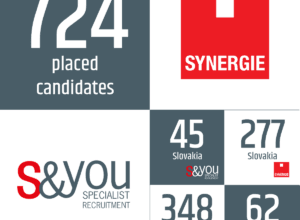
2020: 724 placed candidates in Czecho-Slovakia

Retail Expansion Is About the Right People. We helped a well-known fashion brand open 5 stores

From abroad to the Czech Republic: What employee onboarding looks like in practice

We Are Among the TOP 10 Employment Agencies in Slovakia. Thank You for Your Trust.

Innovative recruitment abroad addresses shortages in Czech and Slovak industry
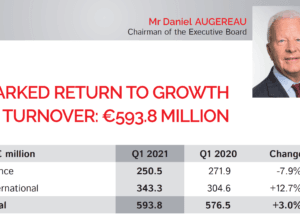
Marked Return to Growth Q1 Turnover: €593.8 million

The Advantages of Employer Branding.